Dirty Rock Font for Bold Branding
As a small business owner, I know how important it is to create a strong visual identity that stands out. One of the simplest yet most powerful tools in my design toolkit is the Dirty Rock font. It’s a display typeface with a raw, edgy vibe that adds character and energy to any project. Whether you're designing a logo, packaging, or social media graphics, Dirty Rock brings a unique style that can elevate your brand.
What Is Dirty Rock?
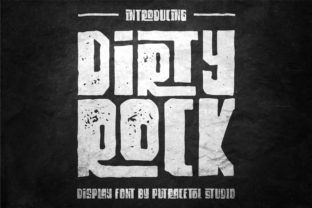
Dirty Rock is a striking display font that exudes a gritty, rock-inspired aesthetic. Its uneven strokes and rough texture give it a handcrafted feel, making it ideal for brands that want to convey authenticity and creativity. This font isn’t for every situation, but when used right, it can make your designs feel more dynamic and expressive.
It’s perfect for businesses that want to stand out from the crowd. Think of it as the visual equivalent of a well-worn leather jacket—bold, confident, and full of personality. The font works best as a headline or accent typeface, adding visual interest without overwhelming the overall design.
How Dirty Rock Can Help Your Business
When it comes to branding, consistency is key. Using a font like Dirty Rock across your materials helps create a cohesive look that customers recognize. For example, if you run a boutique or a handmade product shop, applying Dirty Rock to your product labels, packaging, and website headers can make your brand feel more unified and professional.
Imagine using Dirty Rock on a coffee shop menu. It adds a sense of rugged charm that complements the atmosphere of a cozy café. Or picture it on a handmade candle label, where its textured appearance enhances the artisanal feel of the product. In both cases, the font reinforces the brand’s identity and makes it more memorable.
Real-World Applications of Dirty Rock
Dirty Rock is versatile enough to work in a variety of business contexts. Here are some practical examples:
- Logos: Use it as a headline font for your logo to add an instant sense of energy and uniqueness.
- Product Packaging: Ideal for creating eye-catching labels on items like t-shirts, stickers, or custom merchandise.
- Social Media Graphics: Add it to Instagram posts, Pinterest pins, or Facebook ads to grab attention and maintain brand consistency.
- Menus and Flyers: Perfect for cafes, bars, or event promotions where a bold, readable display font is needed.
- Website Banners: Use it for headlines or call-to-action buttons to draw visitors’ eyes and reinforce your brand voice.
Each of these applications helps your business look more polished and intentional. The font’s distinctive style ensures your materials don’t blend in with the competition.
When to Use Dirty Rock
While Dirty Rock is a powerful tool, it’s not always the best choice for every part of your design. It works best as a display font, meaning it should be used sparingly and strategically. Avoid using it for body text or long paragraphs, as it can become hard to read in smaller sizes or on digital screens.
Instead, use it as a headline, logo, or accent font. Pair it with a clean sans serif or serif font to balance the design. For instance, a modern sans serif like Arial or Helvetica can provide contrast while keeping your messaging clear and easy to read.
Readability and Practical Considerations
One of the biggest concerns with display fonts like Dirty Rock is readability. While it looks great in large formats, it may not be suitable for small text or mobile screens. If you’re using it on product labels or packaging, test it at different sizes to ensure it remains legible.
Also, consider the context in which your audience will see the font. For example, if you’re printing a label for a skincare product, make sure the font doesn’t interfere with the clarity of the ingredients or instructions. Similarly, on social media thumbnails, avoid using too much detail that could get lost in the small format.
Testing and Experimentation
Before committing to using Dirty Rock across all your branding materials, take time to test it in different scenarios. Create a sample design for a business card, a website banner, and a social media post. See how it looks in various sizes and backgrounds.
Ask yourself: Does it enhance the message or distract from it? Does it match the tone of your brand? These questions will help you decide whether Dirty Rock is the right fit for your business.
Font Pairing Tips
Pairing Dirty Rock with other fonts can help you achieve a balanced and professional look. Here are a few pairing ideas:
- Handwritten Font + Clean Sans Serif: Combine Dirty Rock with a simple sans serif for a mix of creativity and clarity.
- Script Font + Modern Typography: Use it alongside a script font for a more artistic feel, or pair it with a modern typeface for a sleek contrast.
- Serif Font + Decorative Display: A classic serif font like Georgia or Times New Roman can complement the roughness of Dirty Rock while maintaining readability.
Experiment with different combinations to find what works best for your brand’s personality and goals.
Commercial Licensing and Usage
Finally, remember to check the commercial licensing terms for Dirty Rock before using it in your business projects. Some fonts may have restrictions on how they can be used, especially if you’re creating products, templates, or digital downloads for clients.
Always ensure that your usage aligns with the font’s license agreement. This protects you and your business from potential legal issues down the line.
By choosing the right font and using it thoughtfully, you can create a stronger, more recognizable brand that resonates with your audience. Dirty Rock offers a unique way to express your business’s personality while maintaining professionalism and consistency across all touchpoints.